| ⚡ Quick Answer: If you find a dead animal on your Mordialloc property, do not attempt to remove it yourself. Decomposing carcasses carry dangerous pathogens, attract secondary pests, and can cause permanent structural damage within 24–48 hours. Contact a licensed dead animal removal specialist in Mordialloc immediately for same-day, safe, and hygienic removal. |
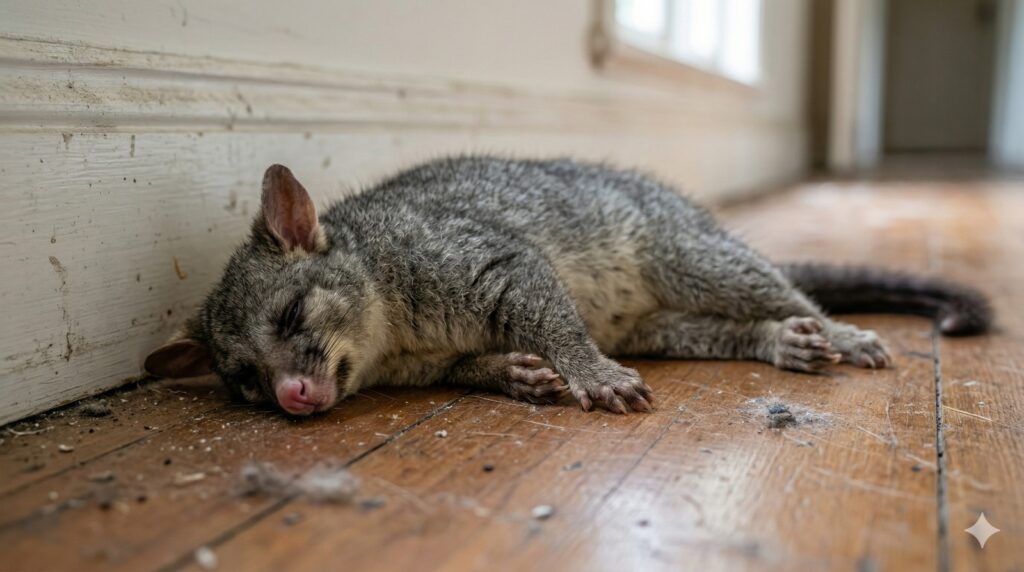
Mordialloc is one of Melbourne’s most liveable coastal suburbs — a leafy, bayside community defined by its proximity to Port Phillip Bay, the meandering Mordialloc Creek, and streets lined with mature trees that attract a wide array of native wildlife. It is precisely this rich natural environment, however, that makes Mordialloc homeowners and business operators particularly susceptible to one of the less pleasant realities of suburban living: the discovery of a dead animal on their property.
Whether it is a possum that has perished in the roof cavity, a rat concealed beneath the subfloor, a native bird lodged in a wall, or a snake that has expired in the backyard — the health, hygiene, and structural risks are immediate, serious, and escalate quickly in the warm Victorian climate. This guide covers everything Mordialloc property owners need to know: how to identify the problem, why rapid professional response is essential, and what to expect from a quality removal service.
Why Mordialloc Properties Face a Higher Wildlife Exposure Risk
Not all suburbs carry the same level of risk when it comes to dead animals on private property. Mordialloc’s unique environmental profile — coastal proximity, creek corridor, established gardens, and high-density tree canopy — creates conditions that are unusually attractive to native and introduced wildlife species.
Common Dead Animals Found on Mordialloc Properties
- Common Brushtail Possums — Melbourne’s most widespread urban marsupial. They frequently inhabit roof cavities along the Beach Rd corridor and near Mordialloc Creek, and are a common source of roof decomposition incidents.
- Common Ringtail Possums — Smaller than their brushtail cousins, these possums nest in dense garden shrubbery and wall cavities of older Mordialloc homes.
- Rats and Mice — House rats and common mice are prolific throughout the suburb’s older residential streets and commercial precincts. They frequently die inside wall cavities, subfloors, and ceiling spaces after rodent baiting programmes.
- Native Birds — Seagulls, starlings, pigeons, and mynahs near the bay and creek can expire in hard-to-reach areas including chimneys, vents, and roof gutters.
- Snakes and Lizards — Blue-tongue lizards and the occasional Eastern brown snake, both native to the Mordialloc area, may die on properties adjacent to the creek or parkland corridors.
- Domestic Cats and Dogs — Stray or neighbour animals can expire on or under private properties, creating immediate odour and health concerns.
Understanding which species are most likely on your property helps you interpret warning signs early and communicate accurately with your removal specialist.
The Decomposition Timeline: Why Every Hour Counts
One of the most important things Mordialloc property owners need to understand is how quickly decomposition progresses — particularly during Victoria’s warmer months when ambient temperatures accelerate biological decay. The following timeline illustrates why immediate action is always the right choice.
| 🕐 Decomposition Timeline (Based on Average Conditions) 0–6 Hours: Animal dies. Bacteria begin breaking down soft tissue. No visible signs yet. 6–24 Hours: Odour begins to emerge. Blowflies locate and lay eggs within hours. 24–48 Hours: Smell becomes noticeable inside a building. Maggot activity begins. 2–4 Days: Odour intensifies significantly. Fluids begin to leach into surrounding materials. 5–10 Days: Full putrefaction. Structural staining, pest infestation risk peaks. 2–4 Weeks: Odour can permeate insulation, plasterboard, and soft furnishings permanently. At this stage, professional decontamination is essential. |
In the heat of a Melbourne summer — and Mordialloc’s bayside location means warm and humid conditions — these timelines can compress significantly. A carcass that might take five days to reach full putrefaction in cooler climates can do so in two to three days during January or February. This is not a problem that improves with time.
How to Tell If You Have a Dead Animal on Your Property
Because many animals die in concealed locations — roof spaces, wall cavities, under floorboards, inside chimneys — property owners cannot always see the problem directly. Instead, they must rely on indirect warning signs. Recognising these cues early dramatically limits the damage.
The Five Key Warning Signs
- A persistent, intensifying foul odour — different in character from general household smells. Often described as sweet, sickly, or rotten, and impossible to eliminate with standard cleaning products. Importantly, the smell will get worse each day, not better.
- Unusual fly activity — a sudden appearance of large numbers of blowflies or clusters of flies around a specific area of an exterior wall, ceiling, or vent is a strong biological indicator of a nearby carcass.
- Maggot activity — discovering maggots on a floor, ceiling, or wall surface confirms that decomposition is advanced. The carcass is almost certainly within one to two metres of where maggots are visible.
- Ceiling or wall staining — greasy, dark, yellow-brown stains appearing on plasterboard or ceilings without a clear water source indicate decomposition fluid seeping through a cavity.
- Agitated pet behaviour — dogs and cats have highly sensitive olfactory systems and will often fixate on, scratch at, or whine near areas containing a concealed carcass well before humans detect the odour.
The Real Health Hazards: What Decomposing Animals Release
The health risks associated with a decomposing animal are substantially greater than most property owners appreciate. This is not merely an unpleasant smell — it is a genuine biohazard situation involving pathogen spread, airborne contamination, and secondary pest infestation.
Pathogens and Diseases
Dead animals — particularly rodents, possums, and birds — are known carriers of multiple serious diseases. These pathogens do not disappear when an animal dies; in many cases, the risk of transmission increases as decomposition progresses and fluids contaminate surrounding surfaces. Key health risks include:
- Salmonellosis — transmitted via contact with contaminated surfaces or fluids from decomposing rodents and birds
- Leptospirosis — a bacterial infection spread through animal urine, particularly associated with rats and rodents common throughout Mordialloc
- Q Fever (Coxiella burnetii) — a zoonotic bacterial infection that can become airborne when dried carcass tissue is disturbed during DIY removal attempts
- E. coli infections — particularly dangerous for children, elderly residents, and immunocompromised individuals
- Histoplasmosis — a fungal lung infection that can develop in environments contaminated by bird or bat droppings and decomposing tissue
Secondary Pest Risks
A decomposing carcass is a powerful biological attractant. If left unaddressed, a single dead animal can trigger a cascade of secondary infestations that are significantly more expensive and disruptive to manage than the original problem. These include blowfly larvae (maggots) establishing within hours, rodent scavengers being drawn into the property, beetle and cockroach populations establishing in contaminated cavities, and mite infestations spreading from decomposed bird or possum remains.
Why Mordialloc Residents Should Always Use a Professional Service
There is a natural impulse to handle small problems yourself, and for a dead bird visible in the backyard, basic precautions and responsible disposal may sometimes be appropriate. But for any animal found in a concealed space — a roof cavity, wall, subfloor, or chimney — professional intervention is not optional; it is the only way to ensure the problem is fully resolved.
What Sets Professional Dead Animal Removal Apart
- Accurate location and extraction — licensed technicians use systematic inspection methods and specialist equipment to locate carcasses in areas that are physically inaccessible to property owners, including inside double-brick walls, deep roof spaces, and underfloor cavities.
- Safe biohazard handling — professionals use personal protective equipment, sealed containment bags, and approved disposal methods that comply with Victorian public health and environmental regulations.
- Full decontamination — removal of the carcass is only the first step. Professional services include treatment of the affected area with hospital-grade disinfectants and deodorisers, eliminating residual pathogens and odour-causing compounds that standard cleaning cannot reach.
- Pest infestation prevention — by removing the attractant promptly and treating the area, professionals break the infestation cycle before blowfly, rodent, or insect populations have the opportunity to establish.
- Documentation and follow-up advice — reputable services provide a written job report and practical recommendations to prevent the same situation from reoccurring, including entry point sealing for possums and rodent-proofing advice.
For Mordialloc residents and business operators looking for a fast, reliable, and fully licenced solution, Swift Pest Control provides professional dead animal removal in Mordialloc VIC with same-day response, comprehensive area sanitation, and clear communication throughout the process. Their local knowledge of the suburb’s wildlife patterns and property types ensures the job is done thoroughly the first time.
What to Expect from a Professional Dead Animal Removal in Mordialloc
Understanding the professional removal process helps property owners know what they’re paying for and what questions to ask when booking a service. Here is a step-by-step overview of how a quality dead animal removal job should be completed.
Step 1 — Initial Inspection and Location
The technician will carry out a thorough inspection of your property, focusing on the areas most likely to contain the carcass based on the location of the odour, fly activity, and any staining. Roof spaces and subfloors are accessed using appropriate safety equipment. In cases where the carcass is inside a wall cavity, thermal or odour-detection methods may be used to pinpoint the exact location.
Step 2 — Safe Extraction
Once located, the carcass is extracted using appropriate personal protective equipment including gloves, face masks, and Tyvek suits where required. The animal is placed in sealed biohazard bags for compliant disposal. Any associated nesting material, maggot colonies, or contaminated insulation is also removed at this stage.
Step 3 — Area Disinfection and Deodorisation
The affected cavity, surface, or space is treated with hospital-grade disinfectant to eliminate residual bacteria and pathogens. Commercial-grade enzymatic deodorisers are then applied to neutralise odour compounds at the molecular level — not just masking the smell, but eliminating its biological source. This is the step most DIY attempts skip and the reason many homeowners still smell the problem weeks later.
Step 4 — Compliant Disposal
Carcasses are disposed of in compliance with Victorian environmental protection regulations. Reputable services do not simply bag and bin wildlife remains — they follow approved pathways for the safe disposal of biological waste.
Step 5 — Prevention Advice and Entry Point Sealing
A professional technician will advise on why the animal was able to access the affected area and, where applicable, recommend or implement physical measures to prevent recurrence. This may include installing possum-proof vent covers, sealing roof entry points, or recommending follow-up pest control for rodent populations that may have contributed to the problem.
Immediate Steps to Take If You Suspect a Dead Animal on Your Property
If you notice any of the warning signs described in this guide, the following steps will help you stay safe and contain the situation while you arrange professional assistance.
- Do not enter confined spaces — avoid crawling into roof cavities, subfloors, or wall areas in an attempt to locate the carcass. Confined decomposition environments contain concentrated toxic gases and biohazard risks.
- Keep children and pets away — restrict access to the affected area immediately, particularly if maggots or fly activity are visible.
- Ventilate indoor spaces — if the odour is inside the home, open windows and doors to dilute airborne pathogen concentrations.
- Document the warning signs — note where the smell is strongest, whether staining is visible, and any specific pest activity. This information helps your technician locate the carcass quickly on arrival.
- Do not use aerosol sprays or air fresheners — masking agents cannot neutralise the biological compounds responsible for the odour and may create false confidence that the problem has resolved.
- Call a professional immediately — every hour of delay increases decomposition depth, structural contamination risk, and the likelihood of a secondary pest infestation taking hold.
Frequently Asked Questions About Dead Animal Removal in Mordialloc
The following questions reflect the most common concerns raised by Mordialloc property owners when dealing with dead animal situations. Direct, factual answers are provided to help you make informed decisions quickly.
Q: How much does dead animal removal in Mordialloc typically cost?
Cost varies depending on the species, the complexity of the location, and the extent of decontamination required. Most residential jobs in Mordialloc fall within the range of $150 to $350. Jobs requiring significant structural access — such as removal from inside a double-brick wall — may cost more. Always request a quote before booking and ensure it includes both removal and sanitation, not just the carcass retrieval.
Q: How long does the smell last after a dead animal is removed?
With professional decontamination, odours are typically eliminated within 24 to 72 hours following removal. Without professional enzymatic treatment, decomposition odours can persist for weeks to months, as the volatile organic compounds responsible for the smell absorb into insulation, plasterboard, and timber. This is the primary reason why professional deodorisation is a critical part of any quality removal job — not an optional add-on.
Q: Can I remove a dead possum myself in Victoria?
Possums are protected under the Wildlife Act 1975 (Victoria). Handling, transporting, or disposing of possum carcasses without appropriate authority may constitute an offence. Beyond the legal dimension, DIY removal also carries significant health risks without proper personal protective equipment. In all cases, contacting a licensed professional is the recommended and legally safest course of action.
Q: What if I can smell something but can’t find the animal?
This is the most common scenario in roof and wall cavity cases. The carcass is almost always in a concealed location. A professional technician will use the odour gradient, fly activity patterns, and systematic inspection of accessible cavities to locate the source. Do not attempt to open walls or penetrate roof spaces without professional guidance, as this can spread contamination and may cause structural damage.
Q: Does dead animal removal include sanitation, or just the carcass?
A quality professional service will always include both removal and sanitation of the affected area. Be wary of providers who offer only carcass retrieval without follow-up disinfection and deodorisation — the remaining biological contamination is where the ongoing health and odour risks originate. Always confirm what is included in the quote before proceeding.
Q: How quickly can a professional reach my Mordialloc property?
Many professional dead animal removal services operating in Mordialloc and the City of Kingston area offer same-day response and, in some cases, arrival within one to two hours of booking. Given the rapid escalation of health and odour risks, same-day service should always be the goal. Ask specifically about response times when making your booking.
Q: What animals are most commonly found dead in Mordialloc homes?
Based on the suburb’s wildlife profile and property characteristics, the most commonly encountered dead animals in Mordialloc homes are Common Brushtail Possums (particularly in roof cavities of established homes), rats and mice (following rodent baiting), native birds (in wall cavities, chimneys, and gutters), and Blue-tongue lizards in garden areas adjacent to the Mordialloc Creek corridor.
Final Word: Don’t Let a Dead Animal Become a Bigger Problem
The discovery of a dead animal on your Mordialloc property is never welcome news. But with the right knowledge and a fast response, the situation can be resolved safely, hygienically, and with minimal disruption to your daily life. The risks — to your health, your family’s wellbeing, and the structural integrity of your home — are real and time-sensitive. They grow with every hour of inaction.
The single most important thing you can do is resist the urge to manage the situation yourself and instead contact a licensed local professional who has the expertise, equipment, and legal authority to resolve it properly. A quality service will not only remove the carcass — it will eliminate the contamination, neutralise the odour, and give you practical advice to prevent the problem from recurring.
If you’re in Mordialloc or the surrounding southern Melbourne suburbs and need immediate assistance, Swift Pest Control’s dead animal removal Mordialloc service is available with same-day response, full decontamination, and the professional care your property deserves. Don’t wait for the problem to worsen — one call is all it takes to restore your home to a safe and healthy environment.